
Can Professional Teeth Cleaning Remove Stains?
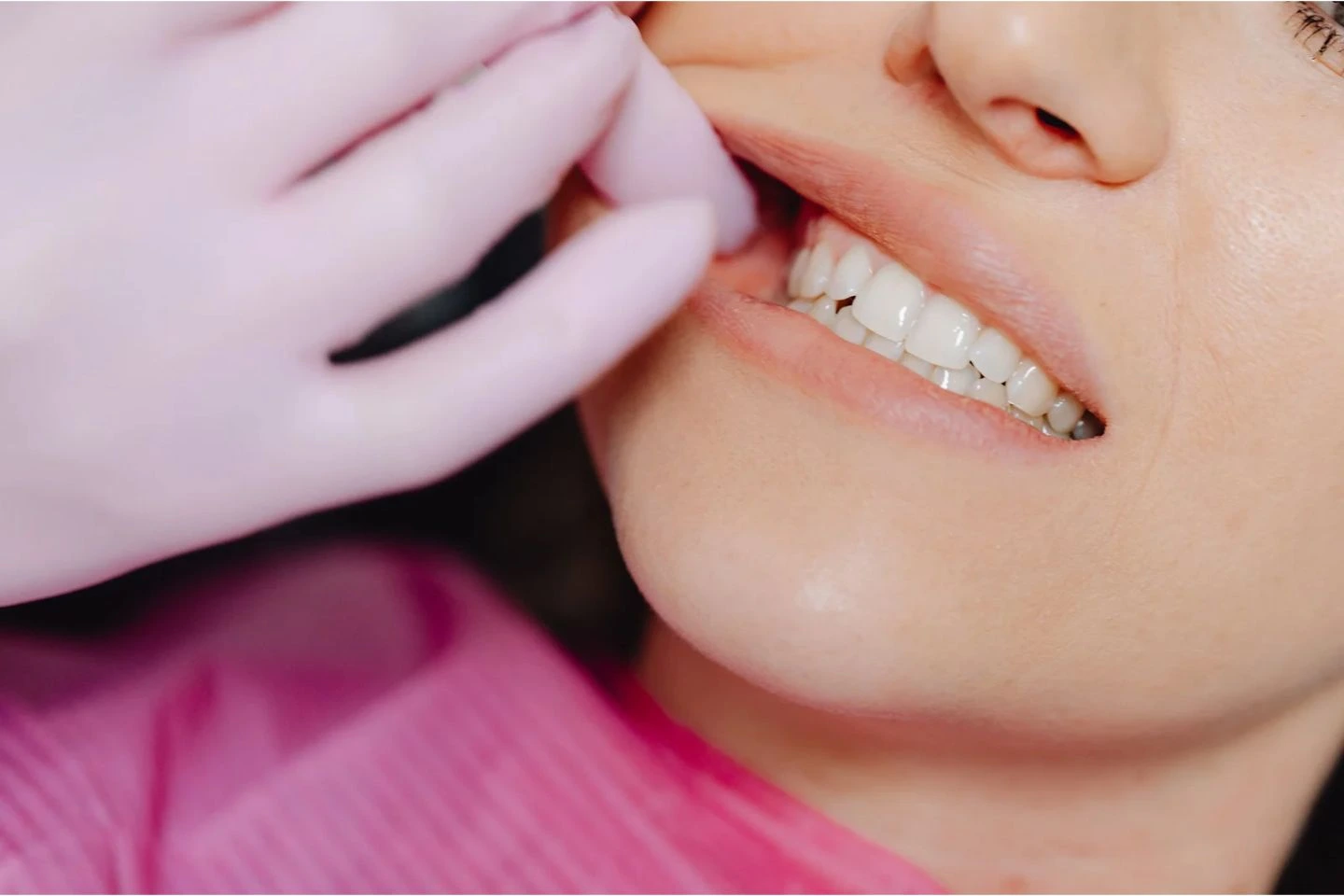
Coffee, tea, red wine, whatever your habit of choice, most people notice at some point that their smile is not quite as bright as it used to be. When that happens, a common first thought is to book a professional cleaning and hope it takes care of the problem. The honest answer is a little more nuanced than a simple yes or no.
Professional cleaning can absolutely help with certain types of staining, but it is not designed to be a whitening treatment in the way people sometimes assume. Understanding the difference can save you some disappointment and help you figure out the right next step if a brighter smile is really what you are after. Below, we break down what a cleaning can and cannot do for stains, and where dental cleaning in North Aurora, IL fits into the bigger picture of a brighter smile.
What Kind of Stains Does a Professional Cleaning Actually Address?
To understand what cleaning can do, it helps to know there are generally two categories of tooth discoloration: surface stains and stains that come from within the tooth itself. Professional cleaning is genuinely effective at addressing the first category.
Surface stains, sometimes called extrinsic stains, develop from things like coffee, tea, red wine, tobacco use, and certain foods that leave pigment on the outer layer of the tooth. During a cleaning, polishing removes a good amount of this surface buildup, which is why many patients notice their teeth look visibly cleaner and slightly brighter right after an appointment.
What About Deeper, Internal Discoloration?
Intrinsic stains are a different story. These develop within the structure of the tooth itself, sometimes from factors like certain medications taken during childhood, excessive fluoride exposure at a young age, injury to a tooth, or simply the natural aging process, which tends to darken enamel gradually over the years. Polishing during a cleaning generally does not reach or lighten this kind of internal discoloration, since it addresses the outer surface rather than the deeper structure of the tooth.
If you have noticed staining that does not seem to respond to cleanings over time, it may be a sign that what you are dealing with is intrinsic rather than surface level, which generally calls for a different approach.
How Effective Is Polishing at Removing Surface Stains?
Polishing, which typically happens near the end of a cleaning, uses a soft rotating tool along with a mildly abrasive paste to smooth the tooth surface and lift away built up pigment. For patients with noticeable surface staining, this step alone can make a meaningful visible difference, particularly if it has been a while since the last cleaning.
That said, the degree of improvement varies from patient to patient, depending on how much staining has accumulated and how long it has been building up. Someone who gets cleanings consistently every six months will generally see less dramatic results simply because there is less surface stain to remove compared to someone coming in after a longer gap.
Does Scaling Play a Role in Removing Stains?
Scaling, the process of removing plaque and tartar buildup, primarily targets hardened deposits along the gumline and between teeth rather than surface discoloration. That said, tartar buildup itself can sometimes contribute to a duller, less clean appearance, so removing it as part of a routine cleaning can indirectly support a brighter looking smile, even though stain removal is not the primary purpose of scaling.
If a Cleaning Does Not Fully Address My Staining, What Are My Options?
For patients dealing with intrinsic staining, or surface staining that has built up significantly over time, whitening treatments are generally the next step worth discussing. Professional whitening, whether done in office or through a take home kit provided by a dentist, is designed specifically to lighten the color of the tooth itself, which is a different process than the surface cleaning done during a routine appointment.
It is worth noting that whitening results vary from person to person, and factors like the type and severity of staining, along with individual tooth structure, all play a role in how much lightening can realistically be expected. A dentist can review your specific situation and let you know what a reasonable outcome may look like before you commit to a particular whitening approach.
How Often Should I Get a Cleaning to Help Manage Surface Stains?
Most dental professionals recommend a cleaning roughly every six months, and staying consistent with that schedule tends to help keep surface staining from building up significantly between visits. Patients who consume a lot of coffee, tea, or red wine, or who use tobacco products, may benefit from discussing a more frequent cleaning schedule with their dentist, since surface staining tends to accumulate faster with these habits.
What You Can Do Between Visits to Support a Brighter Smile
A few daily habits can help manage surface staining alongside regular professional cleanings. Rinsing with water after consuming staining foods or drinks can help reduce how much pigment lingers on the tooth surface. Using a toothpaste designed to help with surface stains may offer some additional support, though results tend to be modest compared to professional treatment. Consistent brushing and flossing also plays a role, since a well maintained routine generally means less buildup for a professional cleaning to address in the first place.
Why Patients Trust Finesse Dental Care for Cleanings and Smile Brightening Options
Every patient's staining situation looks a little different, which is why a one size fits all answer rarely does the topic justice. At Finesse Dental Care, we take the time during your cleaning to look closely at what type of staining is present, so we can give you an honest sense of what a cleaning alone is likely to accomplish and whether something like whitening might be worth discussing.
We believe in giving patients real information rather than vague promises about a dramatically whiter smile after a single visit. Understanding the difference between surface and intrinsic staining tends to lead to much more realistic expectations and, ultimately, better satisfaction with the results.
Schedule Your Dental Cleaning With Finesse Dental Care
If you have been wondering whether a cleaning could help brighten your smile, or if you are curious about additional options for stains that have not responded to cleanings in the past, a conversation with our team is the best place to start.
Contact Finesse Dental Care to schedule dental cleaning in North Aurora, IL and ask about your specific staining concerns. Our team can take a look, explain what is realistic, and help you figure out the right next step for your smile.
Frequently Asked Questions
Q: Will a professional cleaning make my teeth noticeably whiter?
A: A cleaning can remove surface stains and buildup, which often makes teeth look brighter, but it does not lighten the natural color of the tooth the way a whitening treatment does.
Q: What is the difference between surface stains and intrinsic stains?
A: Surface stains sit on the outer layer of the tooth and come from things like coffee, tea, or tobacco. Intrinsic stains develop within the tooth structure itself and generally require whitening rather than cleaning to address.
Q: How often should I get a cleaning if I drink a lot of coffee or tea?
A: Discussing a more frequent cleaning schedule with your dentist may help manage surface staining if you consume a lot of staining foods or drinks regularly, though six months remains the general standard for most patients.
Q: Can whitening toothpaste replace the need for professional cleaning?
A: No, whitening toothpaste may offer modest help with surface staining, but it does not remove tartar buildup or provide the deeper cleaning that a professional appointment does.
Q: Is it normal for stains to come back after a cleaning?
A: Yes, surface staining can gradually return depending on diet and habits, which is part of why regular cleanings every six months are generally recommended to help manage it over time.
Q: How do I find out if whitening is right for my type of staining?
A: Contact Finesse Dental Care to schedule dental cleaning in North Aurora, IL. Our team can evaluate your staining during your visit and let you know honestly whether whitening may be a good next step.
Schedule Your Visit!
*First Name
*Last Name
Your Email
*Phone Number
*Preferred Appointment Date & Time
Comments
(Requested time is not final until you receive confirmation from our office) I allow this website to store my submission so they can respond to my inquiry
We are committed to providing high-quality dental care personalized to each patient's needs, using the latest technology and techniques.
Finesse Dental Care 483 S Randall Rd North Aurora, IL-60542
2026