
How to Care for Your Smile After Cosmetic Dental Treatment
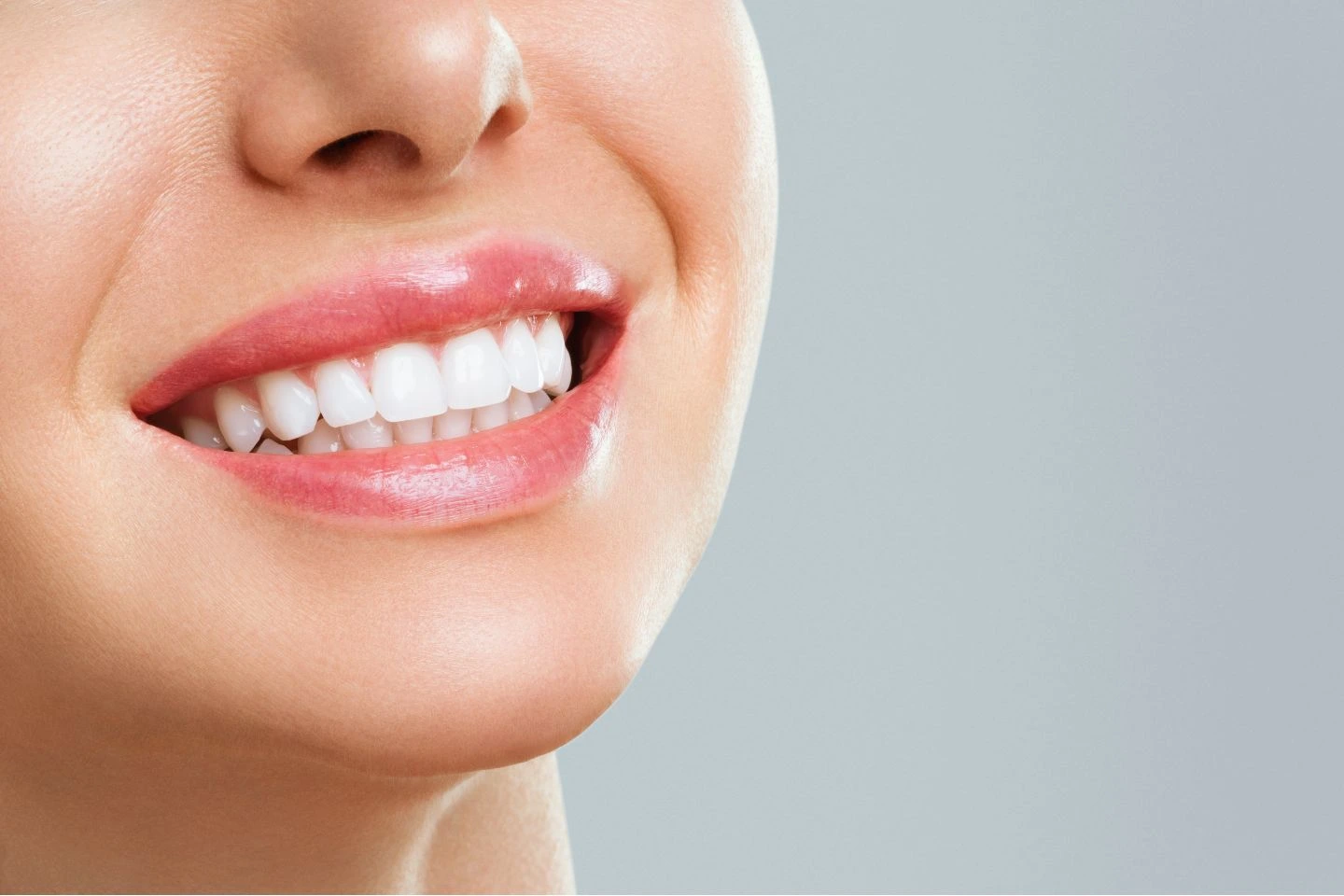
Getting cosmetic dental work done, whether it is veneers, bonding, whitening, or a full smile makeover, is really just the first half of the process. What you do in the weeks and months afterward plays a real role in how long that investment looks and feels its best. The good news is that aftercare for most cosmetic treatments is not complicated. It mostly comes down to a handful of consistent habits and a bit of awareness about what can shorten the lifespan of the work.
If you have recently completed cosmetic dentistry treatment in North Aurora, IL, or you are planning to soon and want to know what comes next, here is a practical look at how to protect your results over the long run.
The First Few Days After Treatment
Depending on the specific procedure, the first few days can call for a little extra caution. After whitening, teeth are often temporarily more porous and prone to staining, so it is common to be advised to avoid dark foods and drinks like coffee, red wine, and dark sauces for a day or two while the enamel settles. After bonding or veneer placement, some mild sensitivity to hot or cold is normal for a short period and typically fades on its own.
Following any specific instructions given after your cosmetic dentistry treatment in North Aurora, IL matters most during this initial window, since new bonding material and freshly placed veneers are settling in and adjusting to normal biting forces for the first time.
Building a Daily Routine That Protects Your Results
Once the initial adjustment period passes, daily care for cosmetically treated teeth looks fairly similar to good oral hygiene in general, with a few extra considerations. Brushing twice a day with a soft-bristled toothbrush protects both natural enamel and the surface of veneers or bonding, while a gentler touch helps avoid unnecessary wear on treated areas over time.
Flossing daily remains just as important after cosmetic work as before, since the goal is protecting the health of the gums and teeth surrounding any cosmetic treatment, not just the treated teeth themselves. Using a non-abrasive toothpaste is also worth considering, since some whitening toothpastes contain mild abrasives that can dull the surface of veneers or bonding over time with repeated use.
Foods and Habits That Can Shorten the Lifespan of Cosmetic Work
Certain habits are worth being mindful of after cosmetic dentistry treatment in North Aurora, IL. Biting into very hard foods, like ice, hard candy, or unpopped popcorn kernels, can chip veneers or bonding material, the same way it can chip natural teeth, sometimes more easily depending on the material used. Using your teeth as tools to open packaging or hold objects carries a similar risk and is worth avoiding altogether.
Teeth grinding, whether it happens during the day from stress or at night during sleep, puts consistent pressure on cosmetic work that can wear it down faster than expected. If grinding is something you deal with, a nightguard is often recommended specifically to protect cosmetic dental work, since replacing veneers or bonding sooner than necessary due to grinding damage is a cost most people would rather avoid.
Managing Staining and Keeping Your Smile Looking Bright
Porcelain veneers resist staining fairly well, but the natural teeth around them and any bonding material can still pick up staining over time from coffee, tea, red wine, and tobacco use. Rinsing with water after consuming staining foods or drinks, and keeping up with regular professional cleanings, both help manage this over the years following cosmetic dentistry treatment in North Aurora, IL.
It is also worth knowing that whitening treatments applied to natural teeth will not affect the shade of veneers or bonding material, since those materials do not respond to whitening agents the way natural enamel does. This is something worth discussing with your dentist if you are considering future whitening, so your natural teeth and any existing cosmetic work stay reasonably matched in color over time.
Why Regular Dental Visits Still Matter After Cosmetic Work
Cosmetic treatment does not remove the need for routine dental visits, and in some ways it makes them more valuable. A dentist checking in regularly can catch small issues with bonding or veneers early, before they become bigger problems, and professional cleanings help keep both natural teeth and cosmetic work looking their best.
Most dentists recommend sticking to a standard six-month cleaning schedule after cosmetic dentistry treatment in North Aurora, IL, unless a specific concern calls for more frequent visits. These checkups are also a good opportunity to ask questions if anything about your treated teeth feels different or if you are noticing early signs of wear.
Schedule Your Follow-Up Visit With Finesse Dental Care
Whether your cosmetic work was completed recently or it has been a while since your last checkup, keeping up with follow-up care is one of the simplest ways to protect your results long-term. Finesse Dental Care supports patients through every stage of cosmetic dentistry treatment in North Aurora, IL, including guidance on care and maintenance after treatment is complete. Reach out to Finesse Dental Care today to schedule your next visit and keep your smile looking its best.
Frequently Asked Questions About Caring for Cosmetic Dental Work
Q: How long should I avoid staining foods after whitening treatment?
A: Many dentists recommend avoiding dark foods and drinks for about 24 to 48 hours after whitening, since teeth are temporarily more porous during that window.
Q: Can veneers get cavities underneath them?
A: The natural tooth beneath a veneer can still develop decay if oral hygiene is neglected, which is why regular brushing, flossing, and checkups remain important after veneer placement.
Q: Will my veneers or bonding change color over time?
A: They generally resist staining better than natural teeth, though some gradual change is possible with heavy exposure to staining substances. Regular cleanings help manage this.
Q: Do I need a nightguard after cosmetic dental work?
A: If you grind your teeth, a nightguard is often recommended specifically to protect cosmetic work like veneers or bonding from excess wear and potential chipping.
Q: How often should I see my dentist after cosmetic treatment?
A: A standard six-month schedule is typical for most patients, though your dentist may suggest a different interval based on your specific treatment and any ongoing concerns.
Q: What should I do if a veneer chips or feels loose?
A: Contact your dentist as soon as possible rather than waiting, since prompt attention generally makes repair simpler and helps prevent further damage to the treated tooth.
Schedule Your Visit!
*First Name
*Last Name
Your Email
*Phone Number
*Preferred Appointment Date & Time
Comments
(Requested time is not final until you receive confirmation from our office) I allow this website to store my submission so they can respond to my inquiry
We are committed to providing high-quality dental care personalized to each patient's needs, using the latest technology and techniques.
Finesse Dental Care 483 S Randall Rd North Aurora, IL-60542
2026