
The Cost of Dental Implants Explained: What You Need to Know
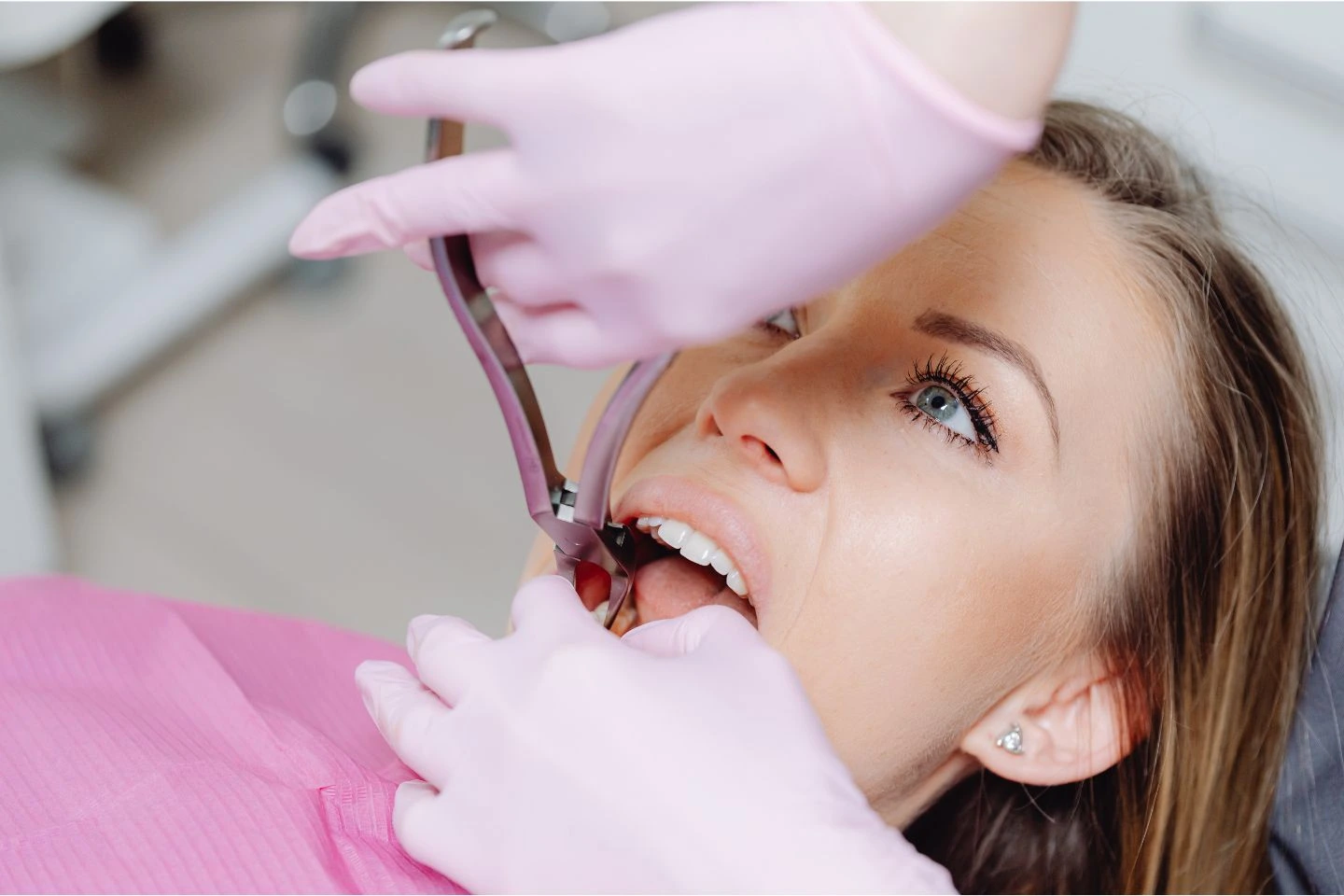
If you are researching ways to replace a missing tooth, you have likely run into the topic of dental implants more than once. They are discussed constantly for good reason. Implants are built to look and work like natural teeth, and they can last for years with proper care. However, the primary question most people want answered is how much this treatment actually costs.
This question deserves a direct answer without a runaround. At Finesse Dental Care, patients deserve to know exactly what they are paying for before committing to any treatment plan. Below is a complete breakdown of what drives dental implant costs, why individual pricing varies, and how to evaluate this investment for your budget and your smile.
Primary Factors That Drive the Cost of Dental Implants
There is no single universal price tag for implant dentistry. No two mouths are identical, and structural differences change the overall treatment calculation. Several key factors shape the total price tag, and understanding them helps make sense of any estimate you receive.
Number of Teeth Being Replaced
Replacing a single missing tooth is a relatively minor project. Replacing multiple teeth or supporting a full set of dentures with implants requires a completely different scope. That means more materials, additional clinical time, and more comprehensive planning from start to finish.
Type of Implant and Final Restoration
Implants can support a single crown, a dental bridge, or a full implant-supported denture. Each path utilizes different hardware components. The specific restoration selected will move the final cost up or down.
Jawbone Health and Preparatory Surgical Procedures
Some patients have plenty of healthy jawbone density ready to support an implant immediately. Others require a bone graft or a sinus lift first to build a solid foundation. These supplemental procedures extend the overall timeline and add to the baseline fee, but skipping them when clinically necessary leads to failure down the road.
Location of the Missing Tooth in the Mouth
Replacing front teeth involves different aesthetic considerations than replacing back molars. Part of this comes down to visual symmetry, while another part involves handling the intense chewing forces working in the back of the mouth.
Advanced Diagnostic Imaging and 3D Planning
High-quality implant treatment relies on precise imaging, including digital X-rays and 3D CBCT scans. These diagnostic tools are factored into the total price and are essential for success. They ensure precise placement, turning potential guesswork into a predictable, long-lasting result.
When you consult with an implant dentist in North Aurora, IL, these factors are thoroughly evaluated to provide a clear picture of what your specific treatment involves.
Understanding the Component Breakdown of Dental Implant Pricing
It helps to think of a dental implant as three distinct components working together as a single functional unit:
- The Implant Post: A titanium fixture placed in the jawbone that acts as an artificial tooth root.
- The Abutment: A connecting piece that attaches the underlying post to the final visible restoration.
- The Dental Crown: The custom-crafted visible tooth structure sitting above the gumline.
Each component carries its own individual fee, which combines into the total cost of care.
Surgical placement and the restoration phase are frequently billed separately. This structure exists because the two phases occur months apart to allow for proper healing. This staged approach allows time for osseointegration, which is the natural biological process where the implant fuses with the surrounding jawbone.
Dental Implants vs Traditional Bridges and Dentures: Long Term Value
Weighing the price of dental implants in North Aurora, IL against traditional bridges or removable dentures is an important exercise. Implants require a higher upfront investment, but they are engineered as a permanent solution. Unlike traditional dental bridges, implants do not require grinding down neighboring healthy teeth for support. Removable dentures often require refitting, relining, or total replacement every few years, which creates ongoing recurring costs.
Implants may not be the ideal choice for every single situation. Systemic health, jawbone density, and personal preferences all play a role in the decision-making process. A comprehensive evaluation with your dentist remains the best path to determine what suits your mouth and your budget.
How to Find Affordable Dental Implants in North Aurora, IL
Financial concerns are valid, but they should not prevent you from exploring treatment options. Many people assume implants are entirely out of reach financially, yet flexible options exist to make care manageable.
As a provider of affordable dental care in North Aurora, IL, Finesse Dental Care provides transparent pricing without unexpected fees. Clear financial communication is an essential part of quality patient care. Before any procedure begins, patients receive a clear breakdown of expected costs, insurance coverage limits, and available payment options.
Managing the expense of dental implants often involves leveraging multiple resources, such as dental insurance to cover diagnostic steps and final crowns, flexible third-party financing to spread costs into monthly payments, or structured in-office payment plans aligned with treatment stages.
If you have delayed care, assuming affordable options were unavailable, scheduling a consultation will help clarify what is realistic for your situation.
What to Expect During a Dental Implant Consultation
A consultation serves as the initial step toward obtaining an accurate, personalized cost breakdown. During this visit, your dentist examines your oral health, captures necessary diagnostic images, and discusses your aesthetic and functional goals. It is also the ideal opportunity to ask specific questions about treatment timelines, surgical steps, and financial options.
Once the complete treatment scope is understood, the investment behind implant dentistry becomes much clearer. Long-term success relies on precise planning, skilled surgical placement, and patient commitment to good oral hygiene and routine checkups.
Schedule Your Dental Implant Consultation Today
Understanding dental implant pricing is essential for making an informed decision about your oral health. If you are ready to explore your options for replacing missing teeth, the team at Finesse Dental Care is here to guide you through every phase of the process. Contact our office today to schedule your consultation and discover how dental implants can restore your smile.
Frequently Asked Questions About Dental Implant Costs
Q: How much does a single dental implant typically cost?
A: The total fee for a single implant depends on the type of restoration, the need for preparatory bone grafting, and the location of the tooth. A personalized consultation is the only way to obtain an accurate quote tailored to your oral health needs.
Q: Does dental insurance cover the cost of implants?
A: Insurance coverage varies widely by policy provider. Some plans cover specific phases of the process, such as 3D imaging or the final crown, while excluding the surgical post. Our administrative team reviews your benefits directly to determine applicable coverage.
Q: Are financing options available for implant procedures?
A: Yes. Many practices, including Finesse Dental Care, offer third-party financing and structured payment arrangements. These options break the total cost into low monthly payments to fit various budgets.
Q: Why is bone grafting sometimes necessary before getting an implant?
A: Bone grafting is required when the natural jawbone lacks sufficient thickness or volume to hold the implant securely. While it adds a step to the process, it creates the structural foundation necessary for long-term implant stability.
Q: How many years do dental implants last?
A: With proper daily oral hygiene and regular dental checkups, dental implants can last for decades or even a lifetime. Long-term durability depends on overall health, bone density, and maintaining healthy gum tissue around the implant site.
Schedule Your Visit!
*First Name
*Last Name
Your Email
*Phone Number
*Preferred Appointment Date & Time
Comments
(Requested time is not final until you receive confirmation from our office) I allow this website to store my submission so they can respond to my inquiry
We are committed to providing high-quality dental care personalized to each patient's needs, using the latest technology and techniques.
Finesse Dental Care 483 S Randall Rd North Aurora, IL-60542
2026