
Who Is a Good Candidate for Dental Implants?
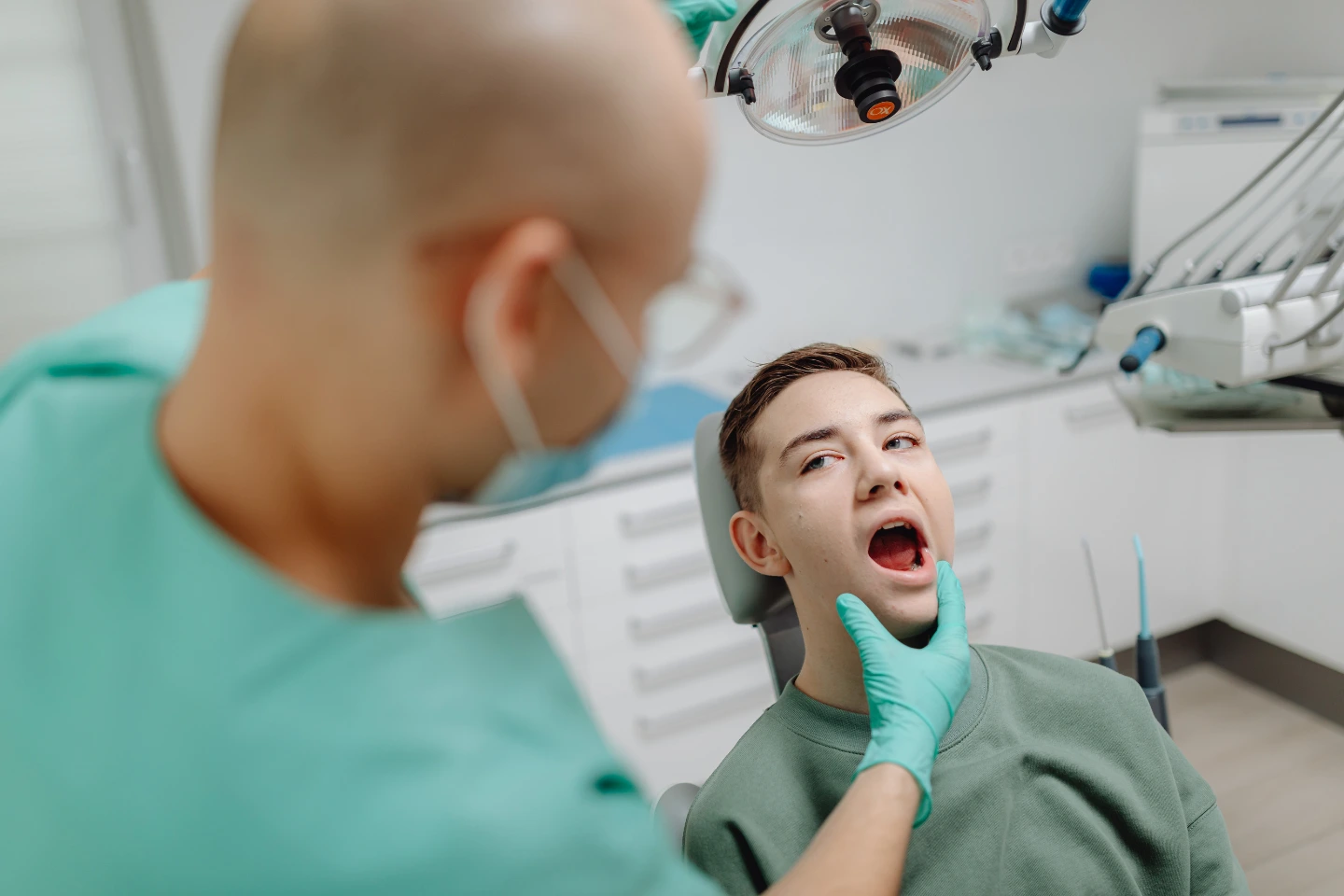
Missing one or more teeth? You have probably already heard that dental implants are the go-to option for replacing them. But how do you actually know if you are a good fit? At Finesse Dental Care, we get this question all the time. Honestly, the answer is pretty simple: most healthy adults with missing teeth qualify, though a few factors carry more weight than others. If you are researching dental implants in North Aurora, IL, here is what actually makes someone a good candidate, and what might call for a little extra planning first.
What Makes Someone a Good Candidate for Dental Implants
Dental implants work by placing a small titanium or zirconia post into the jawbone, where it acts as an artificial tooth root. Over time, the bone fuses to that post through a process called osseointegration, which is what gives the implant its stability so it can support a crown, bridge, or denture. That healing process depends a lot on bone health and your body's overall ability to recover. So candidacy really comes down to a handful of key factors.
Sufficient Jawbone Density
One of the first things we check at our dental implant clinic in North Aurora is how much bone is there, and how healthy it is, in the spot where the tooth is missing. You need enough bone volume to anchor the implant securely. Lost some bone already? Common problem, especially if the tooth has been missing for a while. In that case, a bone graft might be recommended before we place the implant. It is a routine part of implant dentistry, and it does not disqualify most people; it just adds a healing period before the next step.
Healthy Gums
Gum disease is one of the more common reasons implant treatment gets pushed back. Active periodontal disease has to be treated first. Healthy gum tissue is what lets the implant integrate properly and stay put long term. The good news? Once gum disease is under control, a lot of people turn out to be excellent candidates after all.
Good General Health
Implant placement is a minor surgical procedure, so your general health matters here. Conditions like uncontrolled diabetes, certain autoimmune disorders, or a history of radiation therapy to the jaw can slow down healing. None of that automatically rules you out, but it does mean your dentist in North Aurora, IL will likely want to check in with your physician first, just to make sure your body is ready to do its part.
Non-Smokers, or Those Willing to Cut Back
Smoking restricts blood flow to the gums and slows healing. That matters a lot when it comes to how well an implant fuses to the bone. Smokers are not automatically excluded, but quitting, or even cutting back significantly before and after surgery, improves your odds considerably.
Realistic Expectations and Commitment to Oral Hygiene
Here is the thing: implants need the same care your natural teeth do. Brushing. Flossing. Regular checkups. No shortcuts. People who stay on top of their oral hygiene tend to see their implants last for the long haul. And while the implant itself cannot get a cavity, the gum tissue around it absolutely can develop disease. So ongoing care still matters a lot.
Age Is Not the Deciding Factor Most People Think It Is
A lot of people assume implants are only for a certain age bracket. Truth is, age itself rarely decides anything. What actually matters is whether the jawbone has finished growing (usually by early adulthood) and whether you are in reasonably good health otherwise. We have placed implants for patients in their 20s. We have placed them for patients in their 80s. As long as the bone and gum tissue can support it, age alone is not a roadblock.
Who Might Need Additional Steps Before Treatment
Some people are still good candidates for tooth replacement in North Aurora; they just need a bit of prep work first. That might mean a bone graft to build up the jaw. It might mean a sinus lift, for upper back teeth where the sinus cavity sits close to the bone. Or it might mean treating gum disease before moving forward. These steps add time. They do not usually stand in the way of eventually getting your implants.
Alternatives When Implants Are Not the Right Fit
For a small number of people, implants are not the right call, at least not right away. Maybe it is advanced bone loss that grafting cannot fix. Maybe it is an uncontrolled medical condition.
Sometimes it is just personal preference. In those cases, we talk through other options, including bridges, removable dentures, or whatever fits. Our goal at Finesse Dental Care has never been to push one treatment on everybody. It is to find what actually works for your mouth and your life.
Why a Thorough Consultation Matters
Every mouth is different. That is really the whole reason candidacy can only be figured out through an actual exam, not a checklist. During a consultation with our implant dentist in North Aurora, IL, we take digital X-rays to look at your bone volume, check your gum health, go over your medical history, and talk through what you are hoping to get out of treatment. Step by step.
That is what lets us build a plan that is realistic for you, not some one-size-fits-all package.
We also get that cost is a real factor for most people. Easier said than done, sure, but as an affordable dentist in North Aurora, IL, we try to be upfront about pricing from day one and walk you through financing so a solid tooth replacement plan does not feel out of reach. Whether you are looking at a single implant or a full set of implant-supported dentures, you will know what is involved and what it costs before any treatment starts.
Ready to Get Started?
Curious whether dental implants are right for your smile? The best next step is a simple consultation. Our team at Finesse Dental Care, a dental implant clinic in North Aurora, is ready to look at your specific situation, answer your questions, and walk you through your options for dental implants in North Aurora. Reach out today and take the first step toward getting your smile back, with a little confidence to go with it.
Frequently Asked Questions
Q: How do I know if I have enough bone for a dental implant?
A: Honestly, imaging is the only real way to know; typically, a panoramic X-ray is taken at your consultation. It lets your dentist measure bone height and width right where the implant is planned. Bone volume too low? A graft can often build it back up over a few months.
Q: Can diabetics get dental implants?
A: In many cases, yes. Well-controlled diabetes generally does not stand in the way. The bigger concern is healing capacity, so your dentist will want your blood sugar stable both before and after the procedure.
Q: Is there an age limit for dental implants?
A: No strict upper limit. As long as you are in reasonable health with enough bone support, implants can work well into later adulthood.
Q: What if I have gum disease?
A: Active gum disease needs treatment first; there is no way around it. Once the infection is under control and gums are healthy again, most people move forward with implants just fine.
Q: Do I need to quit smoking before getting implants?
A: Quitting completely is ideal. But even cutting back around surgery and during healing can make a real difference. Your dentist can help you build a plan that fits your situation.
Q: How long does the implant process take from start to finish?
A: It depends on whether you need bone grafting or gum treatment first. A straightforward case might run a few months from placement to final restoration. Cases needing more prep will understandably take longer.
Schedule Your Visit!
*First Name
*Last Name
Your Email
*Phone Number
*Preferred Appointment Date & Time
Comments
(Requested time is not final until you receive confirmation from our office) I allow this website to store my submission so they can respond to my inquiry
We are committed to providing high-quality dental care personalized to each patient's needs, using the latest technology and techniques.
Finesse Dental Care 483 S Randall Rd North Aurora, IL-60542
2026